When a child is diagnosed with a heart defect, parents often ask an anxious but natural question: “Will my child outgrow this?” Some heart defects close on their own as a child grows, while others require medical procedures or surgery. Understanding why outcomes differ helps families prepare emotionally and medically for the journey ahead.
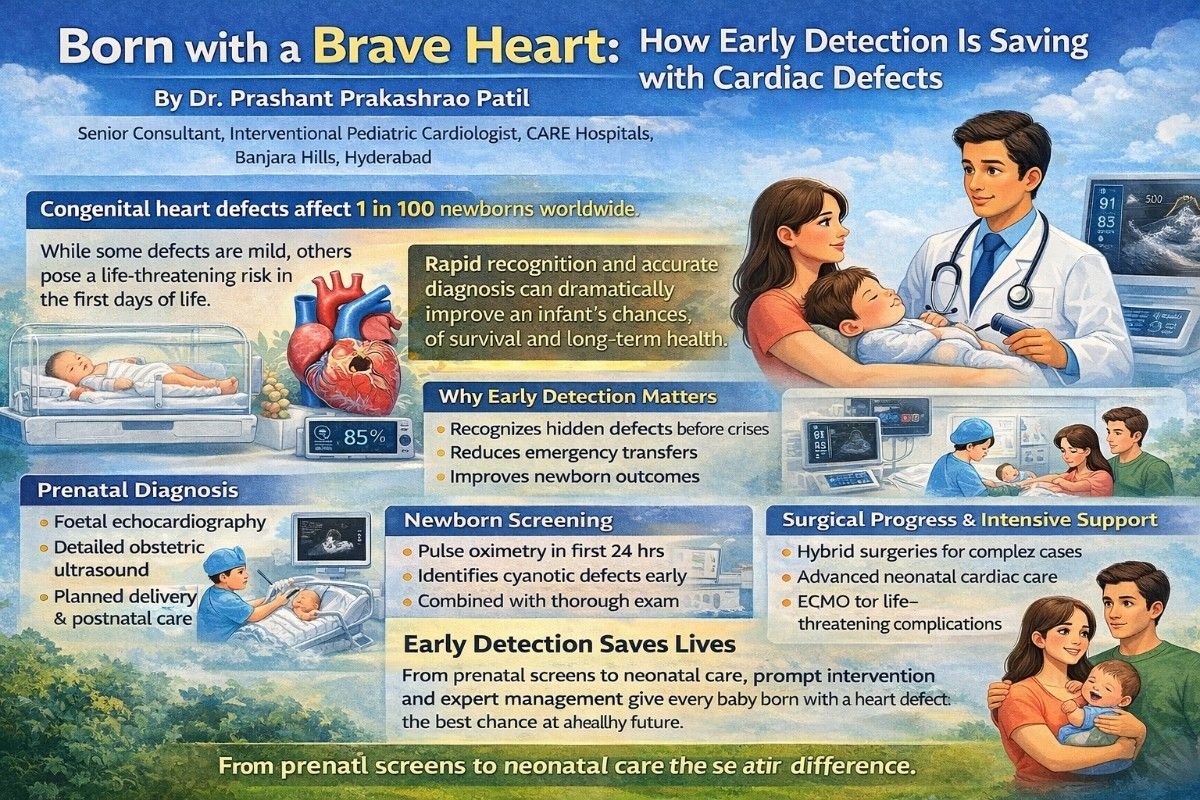
Congenital heart defects are structural problems present at birth. These can range from small holes between heart chambers to complex abnormalities involving valves, vessels, or chambers. In India, they are among the most common birth conditions. While some defects are mild and self-resolving, others require timely medical intervention to prevent long-term complications.
Certain defects, such as small atrial septal defects (ASD) or ventricular septal defects (VSD), often close naturally as the heart grows. In many infants, these openings gradually shrink and disappear without surgery.
Another example is patent ductus arteriosus (PDA), a blood vessel that normally closes after birth. In premature infants, it may close on its own within weeks or months, making careful observation a safer option than immediate intervention.
Not all defects heal naturally. Larger septal defects, severe valve abnormalities, or complex vessel connections usually require medical or surgical treatment. If untreated, these conditions can strain the heart, overload the lungs, and cause long-term heart damage.
Children may appear well initially, but symptoms such as poor weight gain, repeated respiratory infections, excessive sweating during feeds, or fatigue during play are important warning signs that should never be ignored.
Why the Difference Exists
Whether a heart defect improves on its own depends on several key factors.

Size and Location
Small defects may seal as the heart grows, while larger or complex defects usually persist.
Impact on Blood Flow
Defects that significantly disrupt circulation or increase heart pressure rarely resolve without treatment.
Timing of Diagnosis
Early diagnosis allows doctors to monitor progress and intervene before complications develop.
Even when a “wait and watch” approach is advised, consistent follow-up is essential. Changes over time can alter the treatment plan. Echocardiograms, growth tracking, and symptom reviews help ensure early intervention if needed. Skipping follow-ups may delay critical treatment opportunities.
Over the past two decades, paediatric cardiac care has advanced significantly. Many defects can now be treated through minimally invasive catheter-based procedures, avoiding open-heart surgery. When surgery is necessary, outcomes are excellent, allowing most children to grow, play, and live active lives.
Early treatment not only saves lives but also protects long-term quality of life, enabling normal growth, schooling, and physical activity.
For parents, uncertainty is often harder than the diagnosis itself. The good news is that most children with heart defects today do very well. Emotional support from family, schools, healthcare providers, and counselling services can make a meaningful difference throughout the treatment journey.
Every heart defect and every child is unique. Some children truly outgrow their condition, while others require medical care along the way. What matters most is early recognition, regular monitoring, and adherence to medical advice.
Children’s hearts—even those born with defects—are remarkably resilient. With timely care and modern medical advances, many children go on to live healthy, fulfilling lives, turning early challenges into stories of strength and recovery.
Dedicated to offering compassionate, advanced cardiac care for infants, children, and adolescents through expert pediatric heart specialists.
Copyright © Creative Child Heart Clinic, All rights reserved.
Designed and Developed by Galaxy Tech Solutions