
CARDIAC SURGERY SUPPORT
About CARDIAC SURGERY SUPPORT
Guiding families through every surgical step
Our cardiac surgery support service ensures that every child receives seamless, coordinated care before and after surgery. We provide detailed pre-operative evaluation, diagnostic review, and counseling to help families understand the condition, planned procedure, expected outcomes, and important preparations. Our team works closely with pediatric cardiac surgeons to tailor surgical plans and minimize risks through comprehensive medical optimization.
Post-surgery, we focus on recovery, monitoring, wound care, medication management, and emotional support. Families receive clear instructions, follow-up schedules, and early complication awareness guidance. This structured support system helps children regain strength safely while giving parents confidence throughout the healing journey.
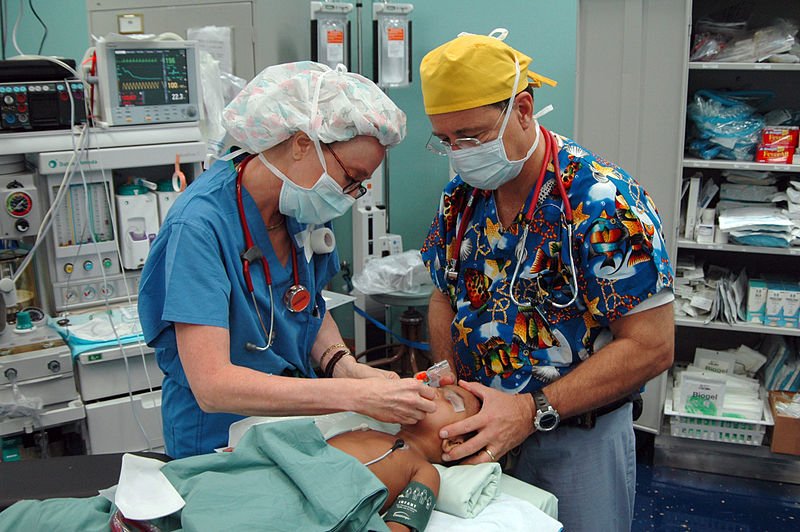
Step by Step Process
A coordinated pathway guiding families through preparation, surgery planning, recovery, and follow-up,
ensuring safety, clarity, and continuous support throughout the child’s surgical journey.
Pre-Surgery Evaluation
Comprehensive clinical assessment, echo review, and tests help determine surgical readiness, optimize health, and identify risks to ensure a safe surgical plan.
Family Counseling
Parents receive detailed explanations of the procedure, expected outcomes, possible risks, recovery timeline, and postoperative needs for complete understanding and confidence.
Surgical Coordination
Cardiologist collaborates with surgeons, anesthesiologists, and ICU teams, ensuring proper timing, preparation, and clarity of each child’s planned surgical requirements.
Pre-Operative Optimization
Medications, nutrition, hydration, infection checks, and vitals are optimized to enhance surgical safety and improve recovery outcomes for each child through coordinated care support.
Post-Operative Monitoring
Child’s vitals, wound healing, heart function, pain control, and complications are closely monitored with continuous communication provided to parents throughout recovery.
Follow-Up & Rehabilitation
Scheduled visits track recovery, adjust medications, guide activity restrictions, support emotional wellbeing, and ensure long-term heart health after surgical correction.
Symptoms of cardiac surgery support
Identifying surgical needs with precision clarity
Children may require surgical evaluation if they present symptoms such as rapid breathing, persistent cyanosis, recurrent lung infections, failure to thrive, excessive sweating during feeding, poor exercise tolerance, heart murmurs, or swelling in the legs and abdomen. Additional signs include fainting episodes, uncontrolled arrhythmias, or structural defects diagnosed during routine echocardiography. These symptoms can indicate defects requiring repair or correction. Early recognition allows timely surgical referral, preventing complications and supporting healthy long-term development.

Treatments of cardiac surgery support
Ensuring safer surgeries through coordinated care
Treatment involves preparing children for corrective or palliative cardiac surgery and supporting them throughout recovery. Pre-surgical optimization includes stabilizing heart failure, managing infections, adjusting medications, and coordinating anesthesia evaluation. During surgery, experts perform repairs such as closing defects, correcting valve issues, relieving obstructions, or reconstructing vessels. Post-surgery treatment includes ICU monitoring, pain control, oxygen support, wound care, rhythm stabilization, and gradual rehabilitation. This multidisciplinary approach ensures safe healing, reduces complications, and improves long-term outcomes.

FAQS
Clear answers for confident surgical decisions
A child needs surgery when structural heart defects cause symptoms, growth issues, or complications that cannot be managed with medication or minimally invasive procedures alone.
Modern pediatric cardiac surgery is highly safe due to advanced technology, specialized surgeons, improved anesthesia, and well-equipped ICUs designed specifically for children’s needs.
Hospital stay usually ranges from five to ten days, depending on surgical complexity, healing rate, overall health, and presence of postoperative complications requiring monitoring.
Parents must monitor wound healing, give medications on schedule, restrict physical activity, attend follow-ups, ensure good nutrition, and report fever or breathing difficulties immediately.
Some children require future procedures depending on defect type, growth, surgical materials used, or residual issues that appear during long-term monitoring and follow-up evaluations.
Offer reassurance, maintain calm communication, explain procedures gently, encourage participation in recovery, provide comfort, and follow the medical team’s guidance to reduce anxiety effectively.