
Echocardiography and Diagnostic Testing
About Echocardiography and Diagnostic Testing
Precise testing for every child’s heart
Interventional cardiology assessment identifies children who can benefit from minimally invasive catheter-based procedures instead of open-heart surgery. These procedures include device closure of defects such as ASD, VSD, and PDA, balloon valvotomy for narrowed valves, and stenting for vessel obstruction. Our assessment evaluates anatomy, symptoms, and test findings to ensure safety and suitability.
This approach reduces pain, avoids large scars, shortens hospital stay, and ensures quicker recovery. Families receive clear explanations, expected outcomes, and preparation guidance. Post-procedure follow-up ensures the heart heals well and normal activities resume safely.

Step by Step Process
A clear, structured evaluation process that guides families through preparation, testing, interpretation, and
follow-up, ensuring accurate diagnosis and supportive, child-centered cardiac care.
Appointment & History
Book appointment; clinician reviews medical history, prior reports, symptoms, and selects appropriate diagnostic tests to be scheduled efficiently and compassionately.
Pre-test Instructions
Receive clear preparation instructions including fasting, medication adjustments, clothing guidance, and arrival time to ensure accurate safe testing for children.
Echocardiography Procedure
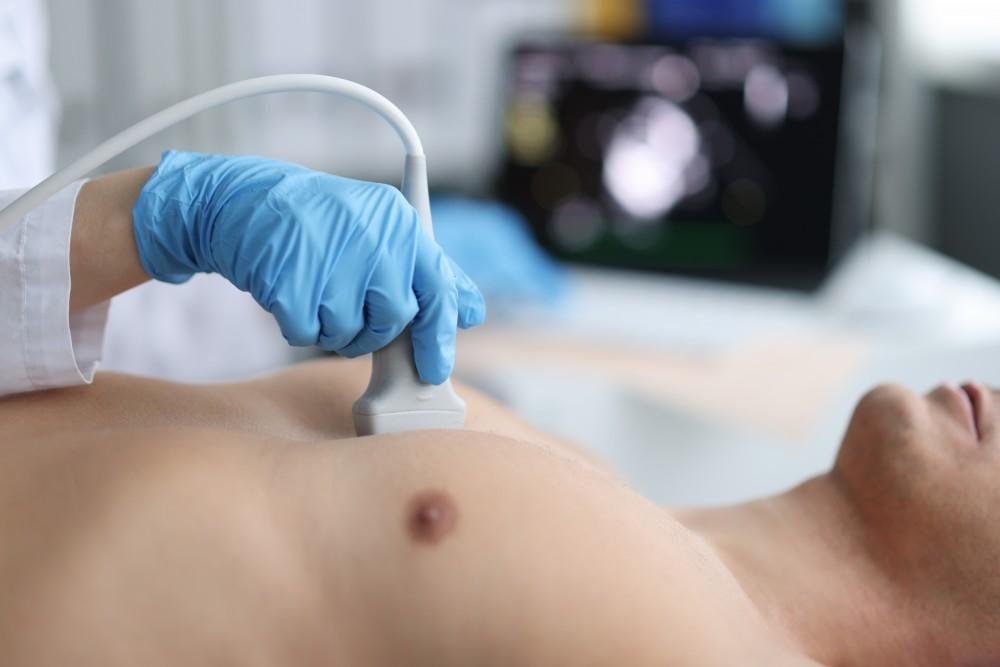
Child undergoes 2D, Doppler, and color echocardiography performed by trained sonographer with pediatric cardiologist review for minimal discomfort and reassurance.
Additional Diagnostic Tests
When indicated, ECG, Holter monitoring, stress testing, or chest X-rays are arranged promptly to clarify rhythm, function, or exercise-related issues and ensure accurate evaluation.
Interpretation & Consultation
Pediatric cardiologist reviews all results, explains findings in simple language, discusses implications, treatment options, and answers parental questions compassionately.
Follow-up & Planning
Provide written report, copy of images, schedule follow-up, arrange referrals if needed, and deliver preventive advice for ongoing heart health with continued support.
Symptoms of Echocardiography and Diagnostic Testing
Identifying hidden concerns with precise clarity
Echocardiography and diagnostic testing help evaluate a wide range of symptoms that may indicate underlying heart conditions in infants, children, or adolescents. Common symptoms include heart murmurs, chest pain, breathlessness, palpitations, fainting episodes, poor growth, feeding difficulty, fatigue, and bluish discoloration. These symptoms may appear mild yet signal important cardiac issues. Testing provides a clear understanding of heart structure, function, and rhythm, enabling early detection, accurate diagnosis, and timely medical intervention for safer outcomes.

Treatments of Echocardiography and Diagnostic Testing
Guiding accurate treatment with detailed insights
Echocardiography and diagnostic tests guide treatment decisions by identifying structural defects, valve problems, rhythm abnormalities, and signs of heart failure. These results help clinicians decide whether medication, lifestyle changes, interventional procedures, or surgery are needed. They also monitor progress after treatment, ensuring therapies are effective and complications are avoided. By providing precise, real-time information, these tests allow pediatric cardiologists to deliver personalized, evidence-based care that improves long-term heart health and treatment outcomes for every child.
FAQS
Accurate testing for clearer cardiac understanding
An echocardiogram uses sound waves to visualize heart structures, detect abnormalities, assess function, and guide accurate diagnosis for children needing cardiac evaluation.
Yes, echocardiography is completely safe, painless, radiation-free, and non-invasive, making it ideal for diagnosing heart conditions in infants and children comfortably.
Most echocardiograms take 20–30 minutes, depending on the child’s cooperation, specific imaging views required, and additional evaluation needed for accurate results.
Generally minimal preparation is required, though certain tests may need fasting, medication adjustments, or comfortable clothing to ensure accurate child-friendly results.
Additional tests like ECG, Holter, stress test, or X-ray may be recommended depending on symptoms, findings, and diagnostic clarity needed.
Results are usually provided the same day, with a pediatric cardiologist explaining findings, implications, and next steps to guide your child’s care.